Kickboxing GB · Team GB · WAKO
Kickboxing GB: Building a Modern Sporting Legacy
14 October 2026
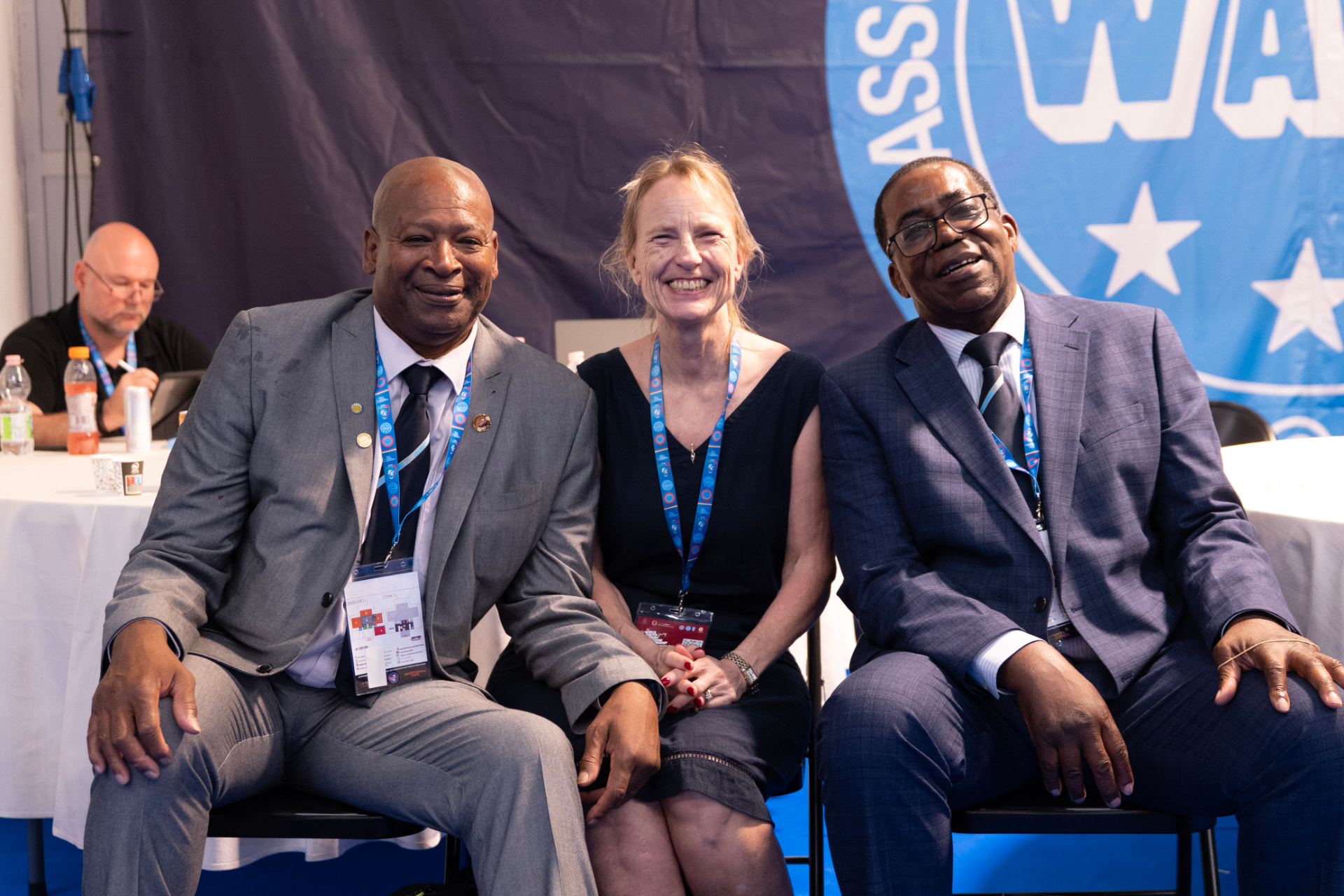
How governance reform, athlete welfare and a commitment to excellence are shaping the future of British kickboxing.
Three years ago, British kickboxing stood at an important crossroads.
The sport had enjoyed considerable success on the international stage, producing world-class athletes capable of competing with the very best in Europe and beyond. Across the United Kingdom, dedicated coaches and volunteers were investing countless hours developing young talent in local clubs, often with limited resources but an unwavering commitment to the sport they loved.
Yet behind the medals, trophies and international accolades was a growing recognition that, for kickboxing to realise its full potential, it needed to evolve.
The sport required stronger governance, greater transparency, enhanced athlete welfare systems and a sustainable structure capable of supporting participants from their first steps on the mat through to representing Great Britain on the world stage.
That evolution began in earnest in August 2023.
Emerging from WAKO GB, Kickboxing GB embarked on an ambitious journey to establish itself as a modern, democratically governed, not-for-profit National Governing Body committed to excellence, integrity and long-term growth.
It was a bold vision — one founded on transparency, accountability, athlete welfare, and the belief that kickboxing deserves its place among Britain's leading sports.
Today, that vision is beginning to bear fruit.
A NEW ERA OF GOVERNANCE
At the heart of Kickboxing GB's transformation lies a fundamental shift in the way the organisation operates.
In 2023, the Board expanded from six to twelve directors in line with the governance principles set out in Sport England's Code for Sports Governance. Unlike many traditional sporting structures, Kickboxing GB adopted a democratic governance model, placing accountability firmly in the hands of its member clubs and stakeholders.
The governance framework continues to mature.
In 2025, six of the twelve director positions were opened for election, establishing a rolling cycle whereby directors serve four-year terms, with six positions contested every two years. This approach provides continuity of leadership while encouraging fresh perspectives and ensuring the Board remains accountable to the membership it serves.
Leading the organisation is President Peter Edwards, supported by Vice President Neville Wray and Company Secretary Lucy Edwards, whose administrative leadership has played a crucial role in managing the organisation's growth and increasing operational complexity.
Supporting them is a team of volunteer directors overseeing key areas of the sport's development.
Director of Welfare and Governance Gordon Mitchell works alongside a strategic steering group comprising Peter Edwards, Lucy Edwards and Simon Harrison to help guide the organisation's long-term governance strategy, regulatory compliance and future development.
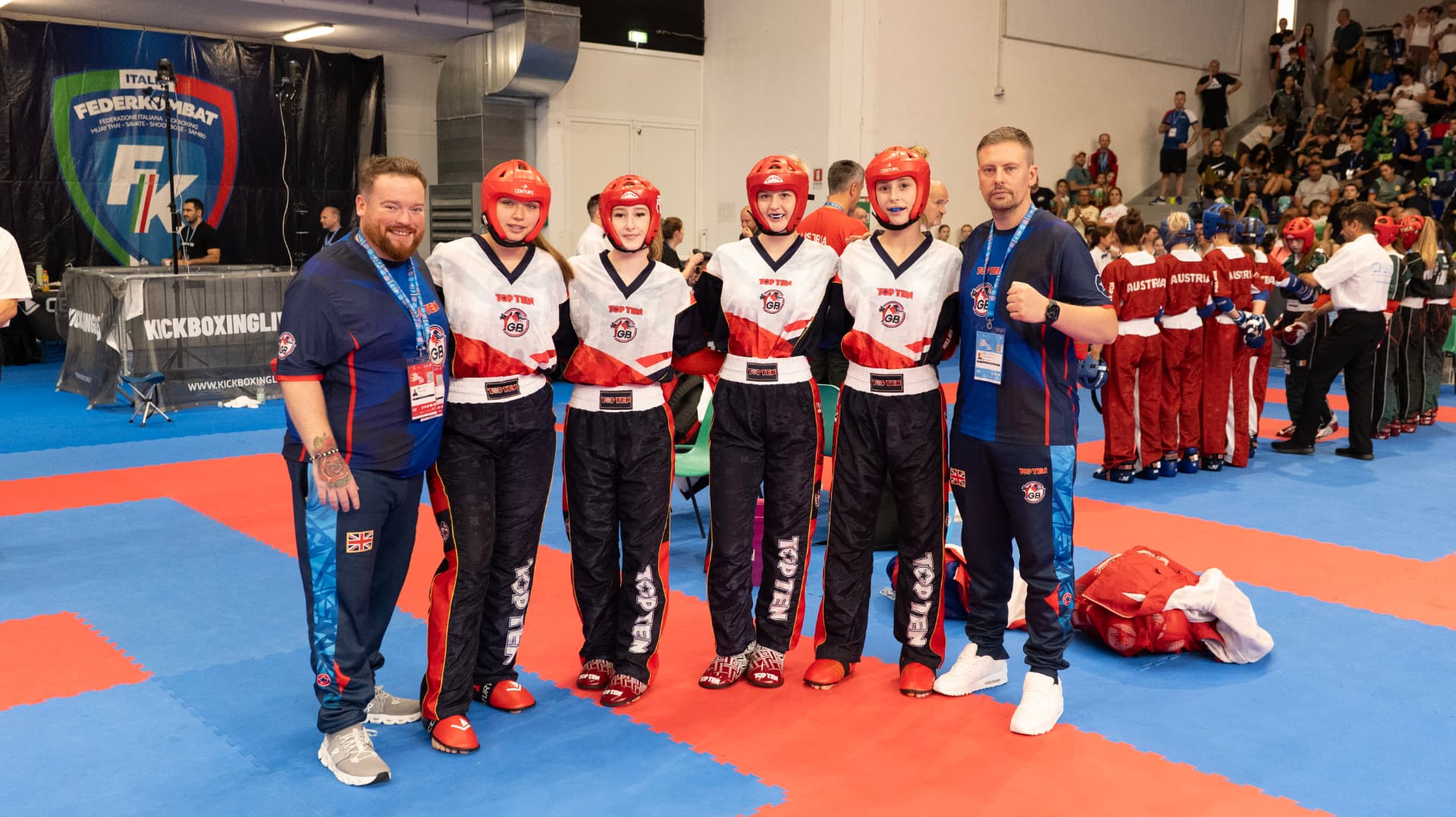
Performance Director Sean Veira oversees the elite athlete pathway and the preparation of Great Britain's national squads. He is supported by an experienced high-performance coaching team consisting of Billy Bryce, Senior Tatami Team Director; Chris Collymore, Junior Tatami Team Director; and Mark Watkins, Ringsports Director. Together, they lead the development, selection and preparation of Great Britain's athletes across all WAKO disciplines, creating a performance pathway that has become one of the most successful in the sport.
Financial stewardship is provided by Treasurer Phil Whetton, whose role is central to ensuring the organisation remains financially sustainable and capable of supporting its ambitious plans for growth.
The delivery of national championships, major competitions and the wider event framework is overseen by Events Director Kevin Baldwin, working alongside Technical Director Jacey Cashman. Together, they are responsible for maintaining the technical, sporting and operational standards that underpin competition delivery throughout the organisation.
Kevin Baldwin also serves as Chair of the Media Committee, helping to shape the organisation's communications strategy and public profile. Regional representation remains a key strength of the Board, with Baldwin acting as Director for Scotland while Mark Watkins champions the development of the sport in Wales.
Together with directors responsible for participation, membership, safeguarding, governance and other operational areas, the Board represents a dedicated volunteer leadership team united by a common purpose: creating a sustainable future for British kickboxing and providing opportunities for athletes, coaches, officials and clubs to thrive.
This commitment is reflected in the organisation's mission statement:
“Kickboxing GB is committed to providing a safe, inclusive and supportive environment for all individuals involved in kickboxing. We aim to promote and develop the sport through robust governance, strategic partnerships and the delivery of high-quality programmes, events and competitions.”
RECOGNITION THAT MATTERS
One of the most significant milestones in Kickboxing GB's recent history came with its recognition by Sport England in October 2022, when WAKO GB was formally recognised as the National Governing Body for kickboxing in Great Britain.
Sport England Executive Director of Partnerships, Phil Smith, said at the time:
“Along with our Home Country partners Sport Scotland and Sport Wales, we are delighted to recognise kickboxing as a sport and the World Association of Kickboxing Organisations – GB (WAKO-GB) as its National Governing Body in Great Britain.”
“WAKO-GB is clear on their intended remit, including how they will serve and support those coaching, officiating and participating in kickboxing. We look forward to seeing WAKO-GB continue to develop kickboxing in the years to come, giving more people the opportunity to get active and take part in the sport.”
This recognition represented a landmark moment for the sport and provided independent validation of the organisation's governance, structure and long-term vision.
While recognition may not generate the same excitement as championship medals or international success, its importance cannot be overstated.
Sport England recognition represents independent validation that a governing body meets nationally recognised standards of governance, integrity and sporting administration. It demonstrates that an organisation is operating transparently, responsibly and in accordance with the principles expected of modern sport.
For athletes, it provides confidence that their sport is being governed professionally and with their long-term interests at heart.
For clubs, it creates opportunities to access wider support networks, resources and development opportunities.
For the organisation itself, recognition provides a foundation upon which future growth can be built.
Kickboxing GB continues to work towards deeper engagement with Sport England and alignment with the Code for Sports Governance. As a volunteer-led organisation, achieving these standards requires significant commitment, investment and organisational development.
The progress made so far demonstrates a willingness not simply to meet minimum expectations, but to build an organisation capable of supporting the sport for generations to come.
PUNCHING ABOVE ITS WEIGHT ON THE WORLD STAGE
Strong governance provides the foundations.
Performance demonstrates what those foundations can achieve.
Few nations in amateur kickboxing can currently match Great Britain's recent success on the international stage.
Over the past several years, Team GB has emerged as one of the most successful nations in world kickboxing, establishing itself as a consistent force across both junior and senior competition.
Much of that success has been built upon an exceptional athlete development pathway.
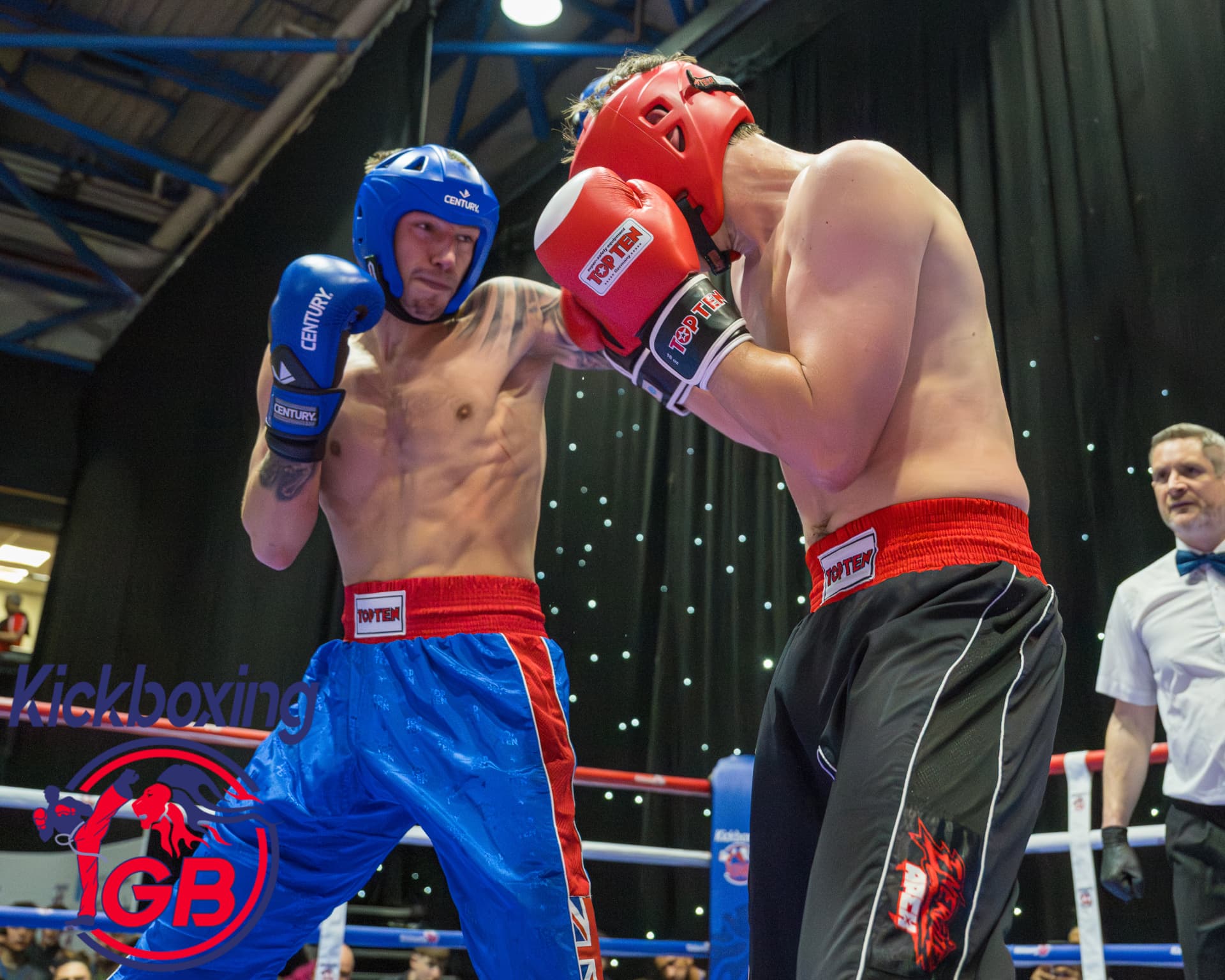
In 2023, Great Britain topped the medal table at the Junior European Championships.
In 2024, British athletes repeated that achievement at the Junior World Championships.
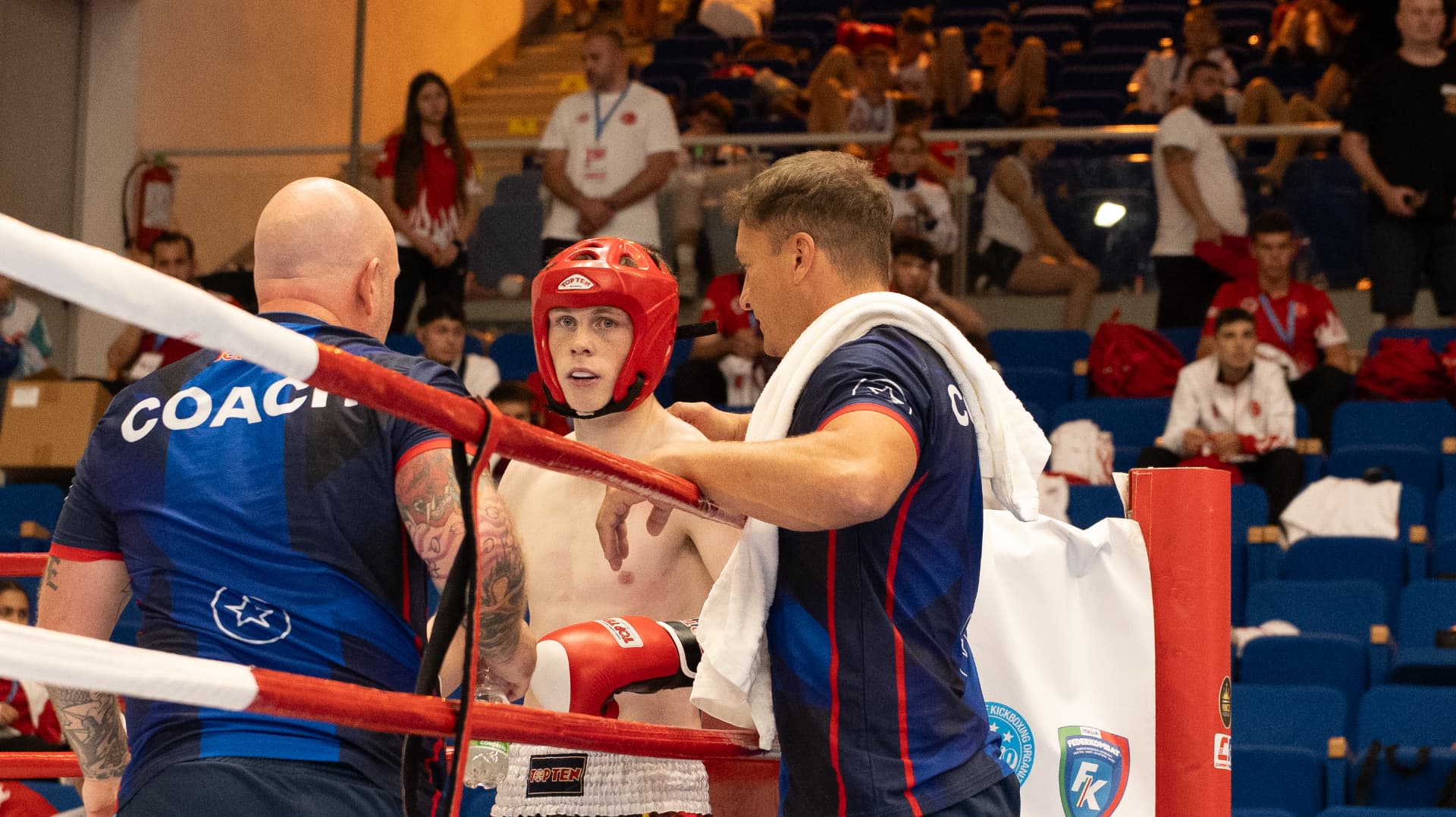
In 2025, Team GB once again finished at the summit of the Junior European Championship medal standings.
Three major championships and three consecutive occasions at the top of the European and world medal tables.
These results are not the product of a single exceptional generation of athletes. They represent the success of a structured development pathway capable of consistently producing competitors who can perform at the highest international level.
Success has not been limited to junior competition.
At the 2025 Senior World Championships in Abu Dhabi, Great Britain delivered one of its strongest performances to date, securing six gold, six silver and twelve bronze medals to finish eighth in the overall medal standings.
The result confirmed that British kickboxing is no longer simply emerging on the international stage. It has established itself as a genuine force within world kickboxing.
Further evidence came at the 2025 World Games in Chengdu, one of the most prestigious multisport events outside the Olympic Games. Three British athletes qualified for the event, with Evelyn Neyens capturing gold in point fighting, demonstrating that British athletes can compete successfully against the world's very best on the highest stages available to the sport.
Behind every medal lie thousands of hours of training, sacrifice and commitment.
As Vice President Neville Wray often says:
Teamwork makes the dream work.
Simple words, perhaps, but they capture the collaborative culture that increasingly defines Team GB's success.
Athletes, coaches, officials, volunteers and administrators all play a vital role in the sport's continued growth. Together, they are helping to build a system capable of sustaining success at every level, from grassroots participation through to international podiums.